
Introduction
In the heavy industry sector, workshops serve as the backbone of operations, housing machinery, tools, and skilled labor. The design and construction of these workshops must prioritize resilience, safety, and efficiency to withstand the rigors of demanding industrial environments. Steel structures have emerged as a preferred choice for workshop construction due to their strength, durability, and flexibility. This article will explore the principles of designing resilient steel structure workshops, the benefits of using steel, and best practices for construction in heavy industry.
Understanding the Needs of Heavy Industry Workshops
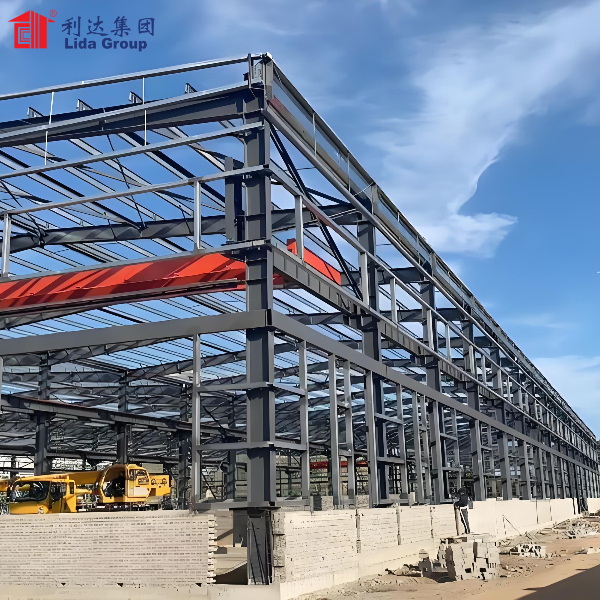
The Role of Workshops in Heavy Industry
Workshops in heavy industry are critical for various functions, including:
- Manufacturing: Production of heavy machinery, components, and parts.
- Maintenance and Repair: Providing space for the upkeep and servicing of equipment.
- Assembly: Facilitating the assembly of large-scale products.
- Storage: Housing tools, spare parts, and raw materials.
Key Requirements for Heavy Industry Workshops
- Structural Integrity: Workshops must be able to support heavy machinery and withstand dynamic loads.
- Safety: Ensuring worker safety through proper design and compliance with regulations is paramount.
- Flexibility: The ability to adapt to changing operational needs is crucial in an ever-evolving industrial landscape.
- Energy Efficiency: Incorporating energy-efficient systems can reduce operational costs and environmental impact.
Advantages of Steel Structures for Workshops
1. Strength and Durability
Steel is renowned for its exceptional strength-to-weight ratio, making it ideal for heavy industry applications. The benefits include:
- Load-Bearing Capacity: Steel structures can support heavy machinery and equipment without compromising safety.
- Longevity: With proper maintenance, steel workshops can last for decades, providing a long-term solution for industrial needs.
2. Design Flexibility
Steel allows for a wide range of design options, enabling customized solutions for specific workshop requirements:
- Customizable Layouts: Steel structures can be designed with open floor plans, allowing for flexible use of space.
- Wide Spans: Steel frames can support large spans without the need for internal columns, providing unobstructed work areas.
3. Quick Construction
The prefabrication of steel components accelerates the construction process, which is crucial for industries that require rapid deployment:
- Off-Site Manufacturing: Steel elements can be fabricated off-site, reducing on-site construction time.
- Rapid Assembly: The ease of assembly minimizes downtime, allowing businesses to resume operations quickly.
4. Cost-Effectiveness
While the initial investment in steel structures may be higher than traditional materials, the long-term savings can be substantial:
- Lower Maintenance Costs: Steel’s durability leads to fewer repairs and replacements over time.
- Energy Efficiency: Modern steel workshops can incorporate energy-efficient designs, leading to reduced operational costs.
5. Environmental Sustainability
Steel is 100% recyclable, making it a sustainable choice for construction:
- Recyclability: Using recycled steel reduces the environmental impact of construction and promotes sustainable practices.
- Energy-Efficient Designs: Steel structures can be designed to include energy-efficient systems, such as solar panels and advanced insulation.
Design Principles for Resilient Steel Structure Workshops
1. Structural Design
The design of steel structures must prioritize structural integrity and resilience. Key considerations include:
- Load Analysis: Conducting a thorough analysis of the loads that the structure will support, including static and dynamic loads from machinery and equipment.
- Seismic and Wind Resistance: Incorporating design features that enhance resistance to seismic activity and high winds, particularly in areas prone to extreme weather.
2. Safety Features
Ensuring the safety of workers is critical in heavy industry workshops. Important safety features include:
- Fire Safety Measures: Implementing fire-resistant materials and systems, such as sprinklers and fire alarms, to protect against fire hazards.
- Emergency Exits and Signage: Clearly marked emergency exits and proper signage to guide workers during emergencies.
3. Space Optimization
Optimizing space within the workshop is essential for efficiency and productivity. Strategies include:
- Flexible Layouts: Designing adaptable workspaces that can be reconfigured based on changing operational needs.
- Zoning: Dividing the workshop into zones for different functions, such as manufacturing, assembly, and storage, to streamline workflows.
4. Energy Efficiency
Incorporating energy-efficient systems into the design can reduce operational costs and environmental impact:
- Natural Lighting: Utilizing skylights and large windows to maximize natural light and reduce reliance on artificial lighting.
- Insulation: Implementing high-performance insulation materials to regulate temperature and minimize energy consumption.
Best Practices for Constructing Steel Structure Workshops
1. Selecting Quality Materials
The quality of materials used in construction directly impacts the durability and safety of the workshop. Key practices include:
- High-Grade Steel: Using high-quality steel with appropriate certifications to ensure structural integrity.
- Corrosion Resistance: Selecting materials that are treated for corrosion resistance, particularly in environments exposed to moisture or chemicals.
2. Engaging Skilled Labor
The expertise of the construction team is crucial for the successful implementation of steel structures:
- Experienced Contractors: Hiring contractors with experience in steel construction to ensure adherence to best practices and safety standards.
- Training Programs: Providing training for workers on the safe handling and installation of steel components.
3. Implementing Advanced Technologies
Utilizing advanced technologies can enhance the construction process and improve outcomes:
- Building Information Modeling (BIM): Implementing BIM to create detailed 3D models of the workshop, allowing for better visualization and coordination among stakeholders.
- Prefabrication Techniques: Utilizing prefabrication to manufacture components off-site, reducing construction time and improving quality control.
4. Ensuring Compliance with Regulations
Adhering to local building codes and regulations is essential for safety and legal compliance:
- Regular Inspections: Conducting inspections throughout the construction process to ensure compliance with safety standards.
- Documentation: Maintaining thorough documentation of all construction processes and materials used.
Applications of Steel Structure Workshops in Heavy Industry
1. Manufacturing Facilities
Steel structure workshops are widely used in manufacturing settings, providing space for:
- Machinery Operation: Housing heavy machinery and production lines, ensuring efficient manufacturing processes.
- Quality Control: Designing dedicated areas for quality control inspections and testing.
2. Maintenance and Repair Shops
In heavy industry, maintenance and repair workshops are essential for equipment upkeep:
- Service Areas: Designating spaces for maintenance work, including equipment storage and repair stations.
- Safety Protocols: Implementing safety protocols to protect workers during maintenance activities.
3. Assembly Plants
Steel workshops can be designed specifically for assembly operations, offering:
- Dedicated Workstations: Creating specialized workstations for assembly tasks, ensuring efficient production flows.
- Logistics Support: Incorporating storage areas for components and tools needed for assembly.
4. Warehousing and Storage
Steel structures also serve as warehouses for storing materials and finished products:
- High Storage Capacity: Utilizing vertical space with racking systems to maximize storage efficiency.
- Climate Control: Implementing climate control systems to protect sensitive materials and products.
Case Studies: Successful Steel Structure Workshops
1. ABC Manufacturing Facility
Lida Group designed a steel structure workshop for ABC Manufacturing, focusing on efficiency and safety. Key features included:
- Open Layout: The workshop was designed with an open layout to accommodate large machinery while allowing easy access for maintenance.
- Energy-Efficient Systems: The facility incorporated energy-efficient lighting and insulation, resulting in significant cost savings.
2. DEF Assembly Plant
For DEF Corporation, Lida Group constructed a steel workshop tailored for assembly operations. Highlights included:
- Flexible Design: The design allowed for easy reconfiguration of workstations based on changing production requirements.
- Safety Features: Fire safety systems and emergency exits were strategically placed, ensuring the safety of workers.
3. GHI Maintenance Facility
Lida Group developed a maintenance workshop for GHI Industries, focusing on durability and functionality. Key aspects included:
- Durable Materials: High-quality steel was used to withstand the demands of regular maintenance activities.
- Optimized Workflow: The layout facilitated efficient workflows, reducing downtime during maintenance operations.
Future Trends in Steel Structure Workshops
1. Smart Manufacturing
The integration of smart technologies is transforming heavy industry. Key trends include:
- IoT Integration: Implementing Internet of Things (IoT) devices to monitor equipment performance and optimize maintenance schedules.
- Data Analytics: Utilizing data analytics to enhance decision-making and improve operational efficiency.
2. Sustainable Practices
The push for sustainability will shape the future of steel structure workshops:
- Green Building Certifications: Increasing emphasis on obtaining green building certifications, such as LEED, to demonstrate environmental responsibility.
- Renewable Energy Integration: Incorporating renewable energy sources, such as solar panels, to reduce reliance on fossil fuels.
3. Advanced Materials
Research in advanced materials will impact the design and construction of steel workshops:
- High-Performance Steels: The development of high-performance steels with enhanced properties will lead to lighter and more resilient structures.
- Smart Materials: Exploring the use of smart materials that can adapt to environmental changes, improving energy efficiency.
Conclusion
Building resilient steel structure workshops for heavy industry is essential for ensuring operational efficiency, safety, and sustainability. By leveraging the inherent advantages of steel, including strength, durability, and flexibility, businesses can create workshops that meet the demanding requirements of heavy industry. Through thoughtful design principles, best practices in construction, and a commitment to innovation, companies can enhance their workshop environments, ultimately leading to improved productivity and worker satisfaction. As the landscape of heavy industry continues to evolve, so too will the approaches to constructing resilient workshops, positioning steel structures at the forefront of this transformation.
Contact Us
Post time: Dec-06-2024